

High cholesterol specialist · Pulse Perfect
Your cholesterol may look "fine", while hidden risk continues to build
Normal LDL. Good HDL. No symptoms. Yet standard testing fails to find the real cardiovascular risk. We go beyond routine panels
ApoB and particle analysis reveal true plaque risk,
Lp(a) uncovers the genetic risk 1 in 5 carry unknowingly, and
we detect plaque before symptoms appear.
1 in 5
People carry elevated Lp(a) — a genetic risk most never test for
50%
Of heart attack patients had “normal” cholesterol beforehand
ApoB
Better predictor of cardiovascular risk than LDL alone
0
Symptoms needed to carry dangerous arterial plaque right now
Why standard testing falls short
Standard cholesterol panels don't tell the full story
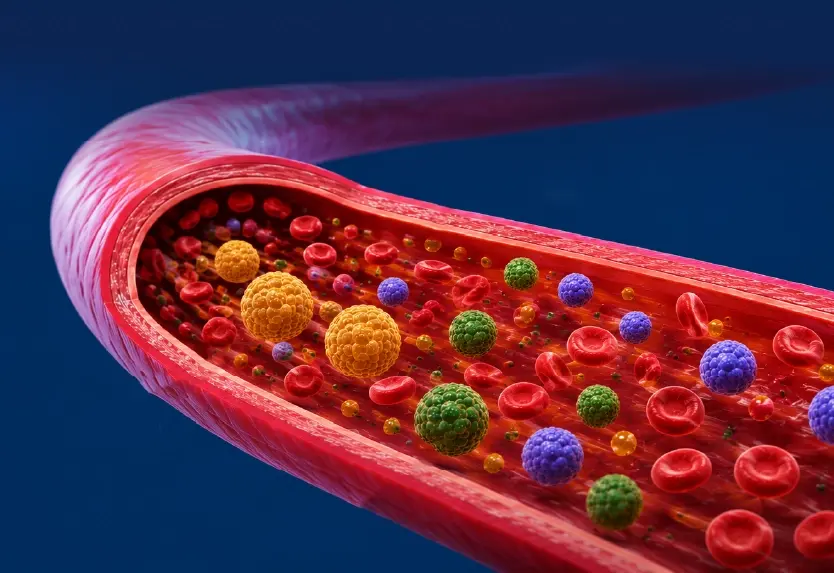
Traditional lipid tests measure four numbers, it is important to know what they miss. Cardiovascular risk isn’t determined by those four numbers alone. It’s determined by how cholesterol particles behave inside your arteries.
A standard panel gives you this
- Total cholesterol, a blunt population-level metric, not a personal risk predictor
- Generic medication adjustments without understanding individual patterns
- HDL and triglycerides, a useful context, but incomplete without particle data
- No ApoB, no Lp(a), no particle size, no plaque imaging, the markers that actually predict events
“I don’t want reassurance. I want clarity.”
Many of our patients arrive after a colleague their age suffered a heart attack despite having “good cholesterol.” They realize a 10-minute visit and a standard panel isn’t enough. That’s where we start.
- Advanced lipid testing combined with cardiovascular imaging
- Metabolic analysis to build a complete risk profile
- Prevention that starts before symptoms appear
Advanced lipid panel testing
Measuring what actually drives cardiovascular risk
These are the markers that predict whether plaque forms, grows, and eventually ruptures, regardless of what your standard cholesterol panel says.
Precision nutrition & metabolic optimization
Cholesterol is influenced by more than diet alone
Genetics, metabolic rate, body composition, and gut biology all shape how your body processes cholesterol. We build a strategy around your physiology, not population averages.

Nutrigenomics
DNA-informed nutrition strategy. Means understanding how your genes influence cholesterol synthesis and lipid response

VO₂ max testing
The strongest predictor of longevity. Its the baseline assessment and personalized exercise prescription

DEXA body composition
Muscle mass, visceral fat, and bone density. The metabolic architecture behind your lipid profile

Resting metabolic rate
Precisely calibrated caloric and macronutrient targets based on how your body actually burns energy

Metabolic analysis
Insulin resistance, blood sugar patterns, and inflammatory markers. The metabolic drivers of cardiovascular risk

Lifestyle integration
Sleep, stress, recovery, and nervous system balance, because lifestyle shapes lipid behavior at the cellular level
Conditions we treat
A complete approach to lipid-related cardiovascular risk
Cholesterol problems rarely exist in isolation. We treat the full picture — not the number on a standard lab report.

High cholesterol, elevated ApoB & LDL
Standard LDL targets may not be aggressive enough when ApoB, plaque burden, or family history indicate higher underlying risk. We determine your true cardiovascular goal, not just a population average.

Elevated Lipoprotein(a) [Lp(a)]
Lp(a) is inherited, affects 1 in 5 people, and significantly increases risk of heart attack and aortic stenosis. Standard statins don’t treat it. We offer targeted PCSK9 therapy and emerging Lp(a)-specific strategies.

Statin intolerance & alternative therapies
Muscle pain, fatigue, and side effects that stopped your statin therapy don’t mean you’re out of options. We offer bempedoic acid, PCSK9 inhibitors, inclisiran, and ezetimibe, cardiovascular protection without the side effects.
Metabolic syndrome & insulin resistance
High cholesterol frequently coexists with prediabetes, visceral fat, hypertension, and chronic inflammation. We address the interconnected metabolic drivers, not each condition in isolation.
The Pulse Perfect difference
Beyond routine cholesterol care
Traditional hypertension care
Reactive. Surface-level. Generic.
- Basic lab reports with standard LDL, HDL, and triglycerides
- Generic statin prescriptions without particle or plaque analysis
- No Lp(a) or ApoB testing in routine care
- Treats the number, and not the cardiovascular system
Pulse Perfect
- Advanced lipid panel including ApoB, Lp(a), and particle analysis
- CCTA and CAC imaging to see plaque directly
- Personalized treatment matched to your biology and risk profile
- Year-round optimization instead of annual lab report reviews
The reality most people miss
Many individuals who suffer heart attacks felt healthy, exercised regularly, and had routine checkups. The difference is often not effort but the visibility.

Better diagnostics reveal what routine labs overlook

Better visibility changes the decisions you make

Earlier detection gives more control over outcomes
Who this is for
This is for you if
- You have high cholesterol despite a healthy lifestyle and want to understand why
- You have a family history of heart disease, heart attack, or stroke
- You've been told your cholesterol is "normal" but still want deeper cardiovascular clarity
- You have elevated ApoB or Lp(a), or have never been tested for them
- Statins caused muscle pain or side effects and you want alternative options
- You're focused on long-term cardiovascular prevention, longevity, and performance
Limited Availability
Don't Wait for Symptoms to Take
Your Health Seriously
The best time to address cardiovascular risk is before you feel it.
Our program accepts a limited number of new patients each quarter to ensure the highest standard of personalized care.
Apply for a Longevity Consultation
Limited patients accepted · Concierge access · NYC & NJ